Fort William is a walking town in one of the wettest inhabited corners of Britain, and the month you pick changes the trip more than the hotel does. The mountain, the steam train, the midges and the beds all run on different calendars. A week in May and a week that overlaps the English school holidays are not the same holiday.
What follows is the shape of the year, the steam service that swallows the station, and the practical reasons to come in September even though the search data barely records anyone asking.
Come in May or September if you want walking weather, a table, and a glen that still has room. Come in June for long evenings and the start of the steam season. Come in July and August only on purpose. Come in winter for the West Highland Museum, the canal, and empty lochside roads — not for the summit of Ben Nevis. Do not arrive on a Saturday in the school holidays expecting a space at Glenfinnan.
The mountain is the year-round draw. Everything else — the Jacobite, the midges, the car parks — moves around it.
Fort William takes metres of rain, not millimetres. The Atlantic weather comes in over Ardnamurchan and hits the highest ground in the country immediately behind the town. December is usually the wettest stretch; spring is usually the driest. That is a pattern, not a promise. Fronts do not read the guidebook.
The useful consequence is not “avoid winter”. It is: pack waterproofs for Glen Nevis in July, and treat a wet day as a canal and museum day rather than a theft. The town is built for it — a small museum, a canal towpath, pubs, a distillery. The rain guide is not a consolation page. It is a normal Fort William page.
Waterfalls, for the same reason, are a rain feature. A dry fortnight shrinks them. A sequence of fronts is when to walk the gorge. That is a separate outing, in the walks guide.
The glens green up, the waterfalls still have winter in them, and the paths are emptier than they will be in August. Snow can lie on the upper mountain into May, sometimes later, so “spring” on Ben Nevis is not spring on the High Street. The Mountain Track in April is a winter route more years than it is not. Our climbing guide is blunt about that.
Cafés reopen hours they dropped in January. You can park after nine without a fight on a midweek morning. The Glenfinnan Monument at the head of Loch Shiel is itself in this season: fewer people on the hillside, the loch still cold, the Trust car park not yet a sport. It is the season Fort William would advertise if August did not pay the Glenfinnan bills.
Midges start in May. They are not yet the June problem. A breeze still wins.
June and early July are the walking gift: long light, Cow Hill at eight o’clock, the towpath at ten. They are also the start of the insect. Midges run from May to September, worse in still air, in the woods, and in the evening. Glen Nevis at dusk in July is a different place from Glen Nevis at noon in a wind. Repellent, a head net, and a forecast that mentions wind are the answers. Rain and a breeze both help. Midges do not.
Car parks fill. The Glen Nevis road-end for Steall goes early. The Trust park at Glenfinnan goes earlier. See parking in Fort William.
Highland school holidays start earlier than English ones. In 2026 Highland Council had pupils off from 3 July, with in-service days in mid-August before term. English summer then overlays the rest of July and August. The practical result is a long busy stretch from early July through the English break, not a neat six-week spike. Easter, the October fortnight and Christmas to New Year are the other local spikes. If your dates are a holiday week, book the bed, book dinner, and treat the mountain as an early start.
August is the busiest month even without anyone’s holiday calendar. Families, day-trippers, and everyone who thinks the Highlands are a summer destination arrive together. The walking is still good. The town is not quiet.
The Jacobite Steam Train is not a year-round service. It is a seasonal steam excursion from Fort William to Mallaig, run by West Coast Railways. The operating season is published on westcoastrailways.co.uk. Check that page for the year you are travelling. Do not copy a date from a blog, including this one.
What does not move is the shape. Steam runs in the warmer months and stops for winter. ScotRail’s ordinary diesel service on the same line runs year-round. The scenery is identical. The viaduct is the same viaduct. What you lose is steam and a heritage carriage; what you gain is a fare that exists in February.
Tickets for the steam train sell out months ahead for July and August. Book as early as the operator allows, or have the scheduled train as the plan rather than the consolation. Our Jacobite and Glenfinnan guide covers riding it, watching it, and the monument at the head of the loch.
If the steam train is why you came, pick a date inside the published season and book it first, then build the week around it. If it is not why you came, you can visit Fort William in any month and still stand on that hillside.
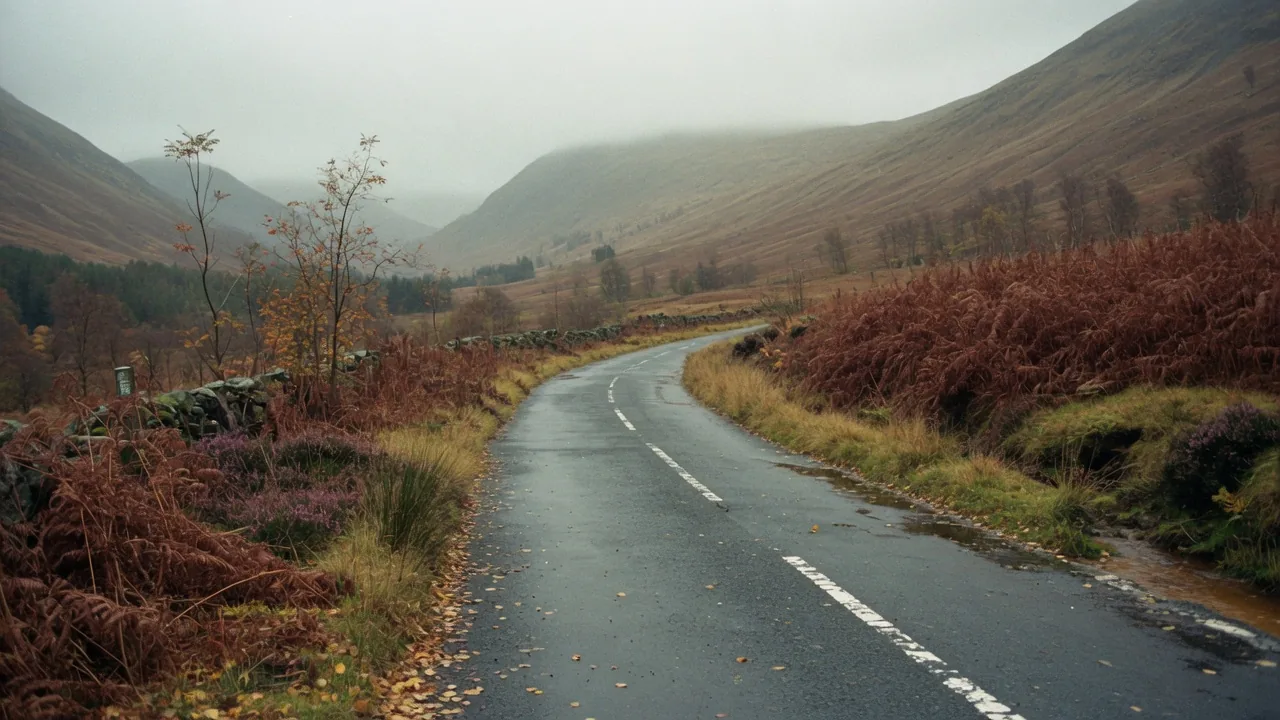
This is the season to pick if you can move a date. The bracken turns. The light goes low and gold down Glen Nevis. Loch Shiel from the monument looks like the postcards. Days shorten fast — by late October you want to be off Ben Nevis and out of Glen Nevis by four.
The steam service, in years when it runs into October, is quieter than August. The car parks breathe after the English schools go back. Midges go. Waterproofs stay.
September is the month this site would choose for a first visit: enough opening hours, enough daylight, the mountain still a summer walk on a settled day, not the August crush at the visitor centre.
From late autumn to late spring, Ben Nevis is a full winter mountaineering objective. Snow and ice cover the path, the plateau cornices, avalanche risk is real, and daylight is short. It requires an ice axe, crampons, the skills to use both, and avalanche awareness. The ruined weather station on the summit — the observatory that ran from 1883 to 1904 — is not a winter outing for a walker. Every winter people set off up the Mountain Track in walking boots because it was fine in August. Do not be one of them.
What winter is good for is everything that is not a summit.
The West Highland Museum on Cameron Square stays open through the year, with hours that often shorten, and it has historically closed on Sundays — check the museum’s own site for the week you are here. It is free, volunteer-run, and the indoor hour that makes a dark afternoon a visit. The secret portrait of Charles Edward Stuart is the object people remember.
The Caledonian Canal does not close. The towpath from Corpach through Banavie is level, surfaced, and empty. Neptune’s Staircase in a west wind is a better spectacle than in a July queue. Details in the canal piece.
Glen Coe from a warm car, the Commando Memorial in a clear freeze, Old Inverlochy by the river with nobody on the grass: these are winter Fort William. Pubs have fires. A lot of seasonal hours drop. The Jacobite does not run.
School holidays move the needle almost as much as the weather. Easter, the English late-May week, the long Highland-and-English summer, and the October fortnight fill Glen Nevis, Glenfinnan and the High Street. They do not usually fill the town to festival density, but they are not “shoulder season” either.
Christmas to New Year is the winter version of the same spike: fewer attractions, fuller car parks. A Tuesday in November is not.
Coach tours run through the summer and into the autumn colour. Spean Bridge and Glenfinnan take the brunt. Early and late still work.
May for the glens before the crush, with a waterproof, a midge net in the bag, and no summit unless the mountain forecast agrees. June for the evenings and, if you have tickets, the steam train. September for the year in miniature. January for the museum, the canal and empty woods, if you can live without the Jacobite and a dry bench.
July and August on purpose, with an early start, a booked bed, and a plan for rain. Half-terms as small versions of the same, not as quiet windows.
Fort William does not close. It just gets full, wet, midgey, or all three. Pick the month that matches Glen Nevis as you actually want it, not the weeks the rest of the country is also booking the Jacobite.